
Sensory-Calming Favorites: High-Demand Tools Parents Use for Calm, Focus & Comfort
REQUIRED AMAZON DISCLOSURE (keep this near the top)Affiliate disclosure: As an Amazon Associate, It’s a Kidzz World earns from qualifying purchases. Some links on this page may be affiliate links, which means we may earn a small commission at no extra cost to you.
Note: We’re not medical professionals. This is parent-friendly, experience-based guidance and independent research. For medical or safety concerns, check with a qualified professional and follow manufacturer age/safety guidance.
When kids (and grown-ups!) feel overstimulated, the goal isn’t “perfect behavior” — it’s regulation. The right sensory tools can help create a calmer rhythm at home, during travel, before homework, or at bedtime. This list focuses on high-demand, widely used items that parents consistently reach for because they’re simple, screen-free, and easy to work into everyday routines.
Quick Start: A calm-corner starter set (pick 3–5)
If you’re building a simple calm space, start small. Pick a few tools from different “sensory lanes”: something to squeeze, something to watch, something cozy, and something quiet to do.
- One squeeze tool (NeeDoh-style cube, stress ball, or therapy putty)
- One tactile bin (Kinetic Sand or soft sensory dough)
- One comfort item (kid-weighted blanket or soft throw)
- One sound helper (kid ear protection earmuffs for loud places)
- One quiet activity (busy board / fine-motor toy / simple puzzle)
Tactile & Hand-Busy Calming Tools
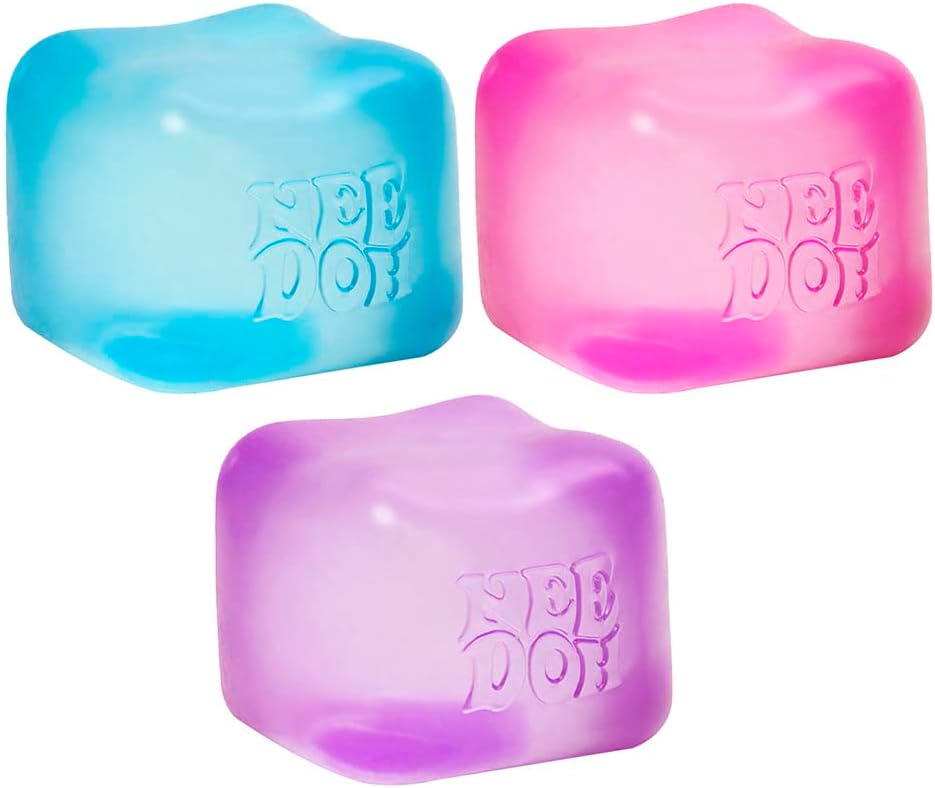
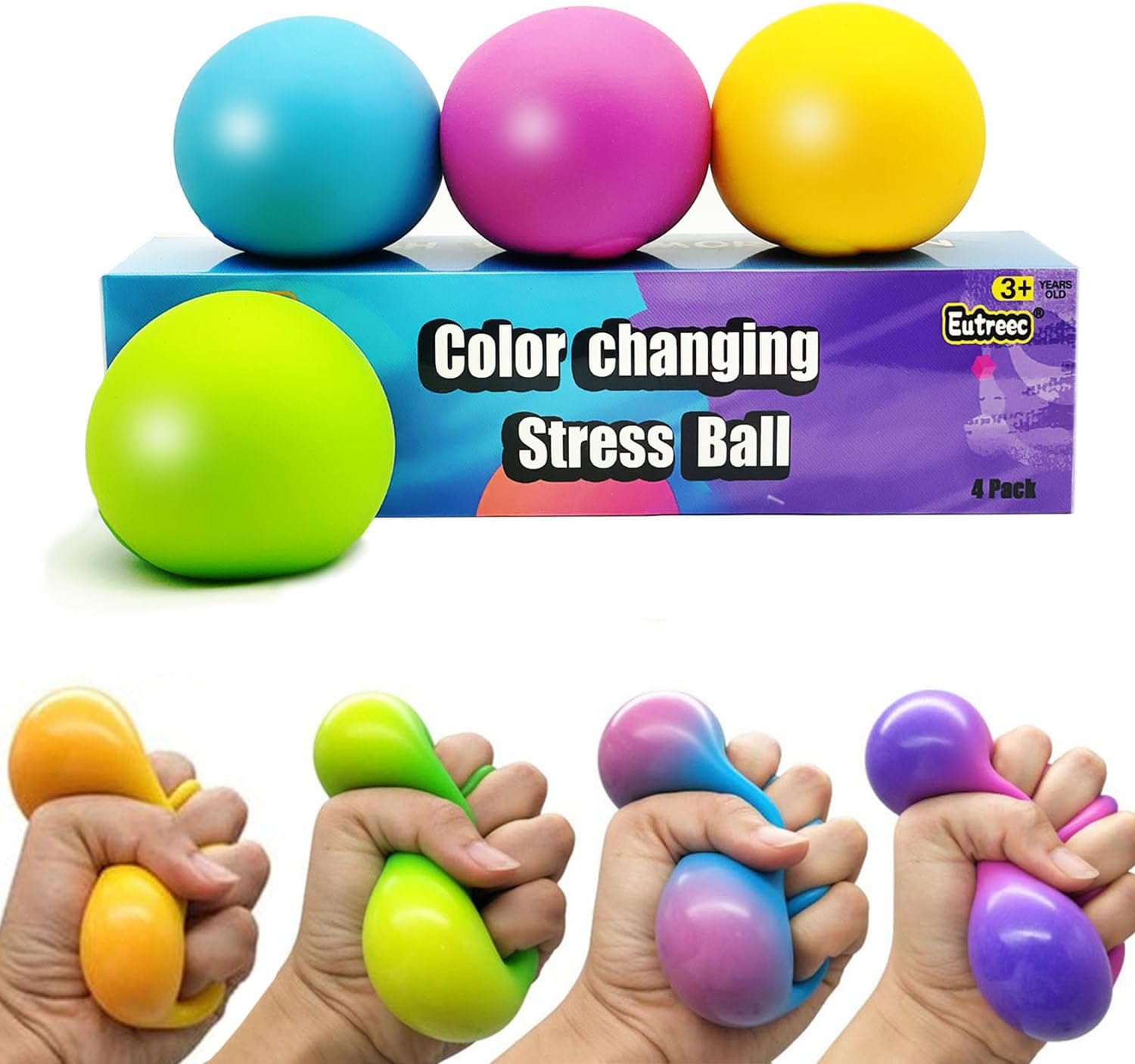
NeeDoh-style “Nice Cube” or Squishy Stress Cube
A satisfying squish-and-stretch tool that many parents like because it’s simple: squeeze, pull, smush, repeat. Great for quiet regulation during reading, car rides, or waiting rooms.
- Best for: calm focus, busy hands, transitions
- Parent tip: keep one in the car and one in the “calm corner”
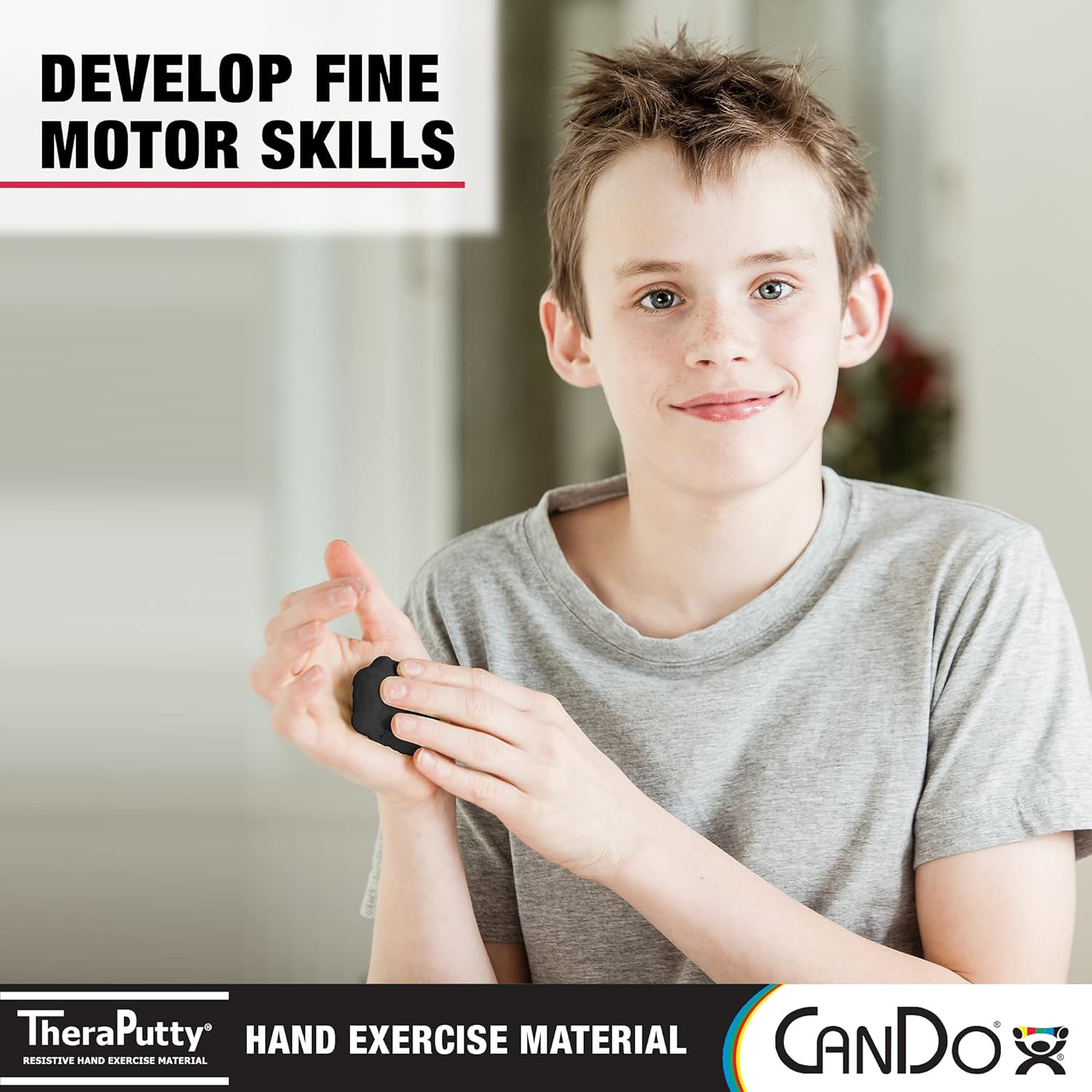
Therapy Putty (a.k.a. “hand strengthening putty”)
Therapy putty is a classic for calm, repetitive sensory input. It’s also an easy way to sneak in hand strengthening without turning it into “work.” Many sets include multiple resistance levels.
- Best for: calm engagement, fine-motor support, sensory seeking
- Parent tip: store it in a sealed container and use on a tray or placemat
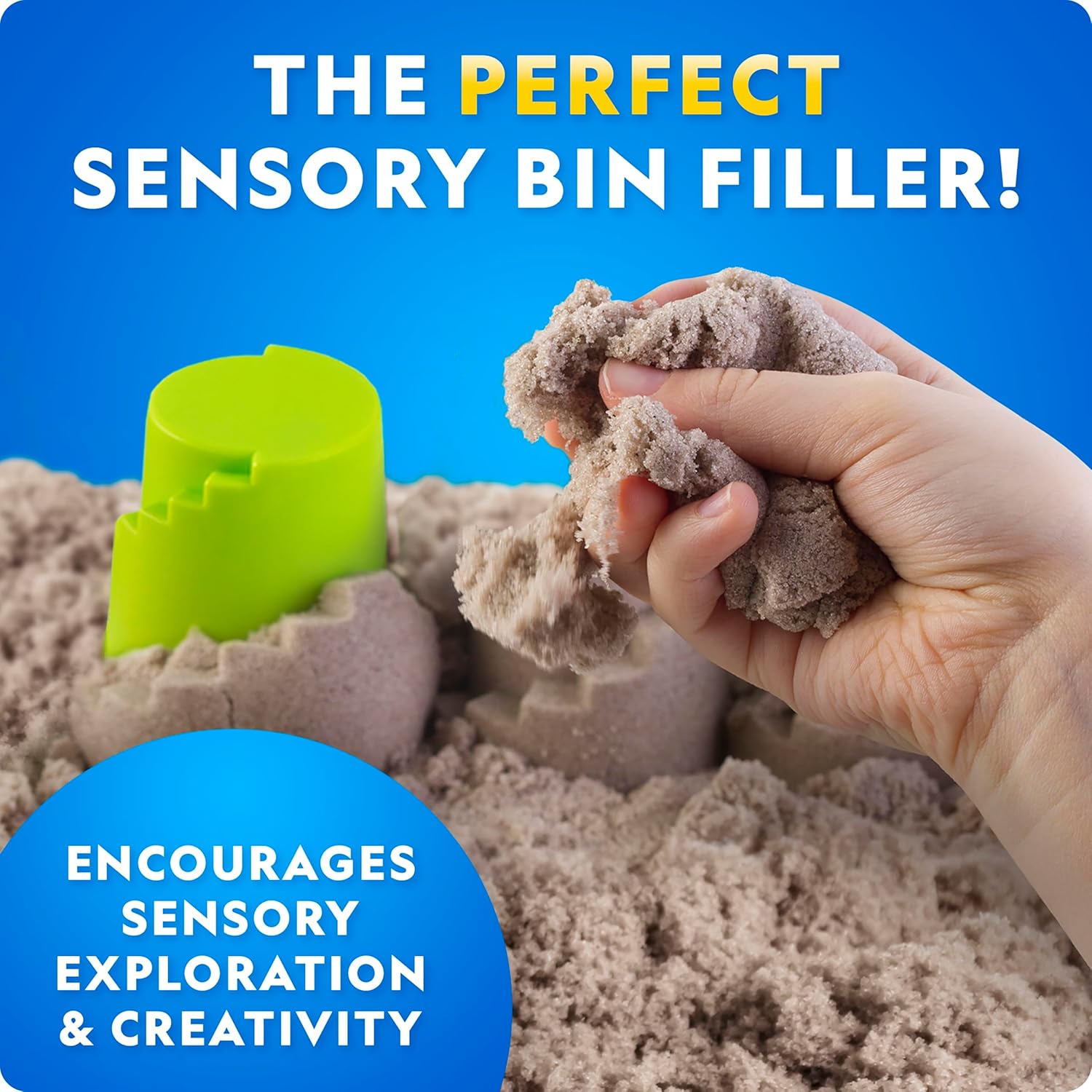
Kinetic Sand Kit (tray-friendly, screen-free calm)
Kinetic Sand is a favorite because it’s hands-on, quiet, and soothing. Digging, molding, and scooping can help kids downshift from overstimulation. A small kit plus a tray can turn into a reliable daily routine.
- Best for: calm sensory play, decompression time, creative regulation
- Parent tip: use a shallow plastic bin or baking tray to keep cleanup easy
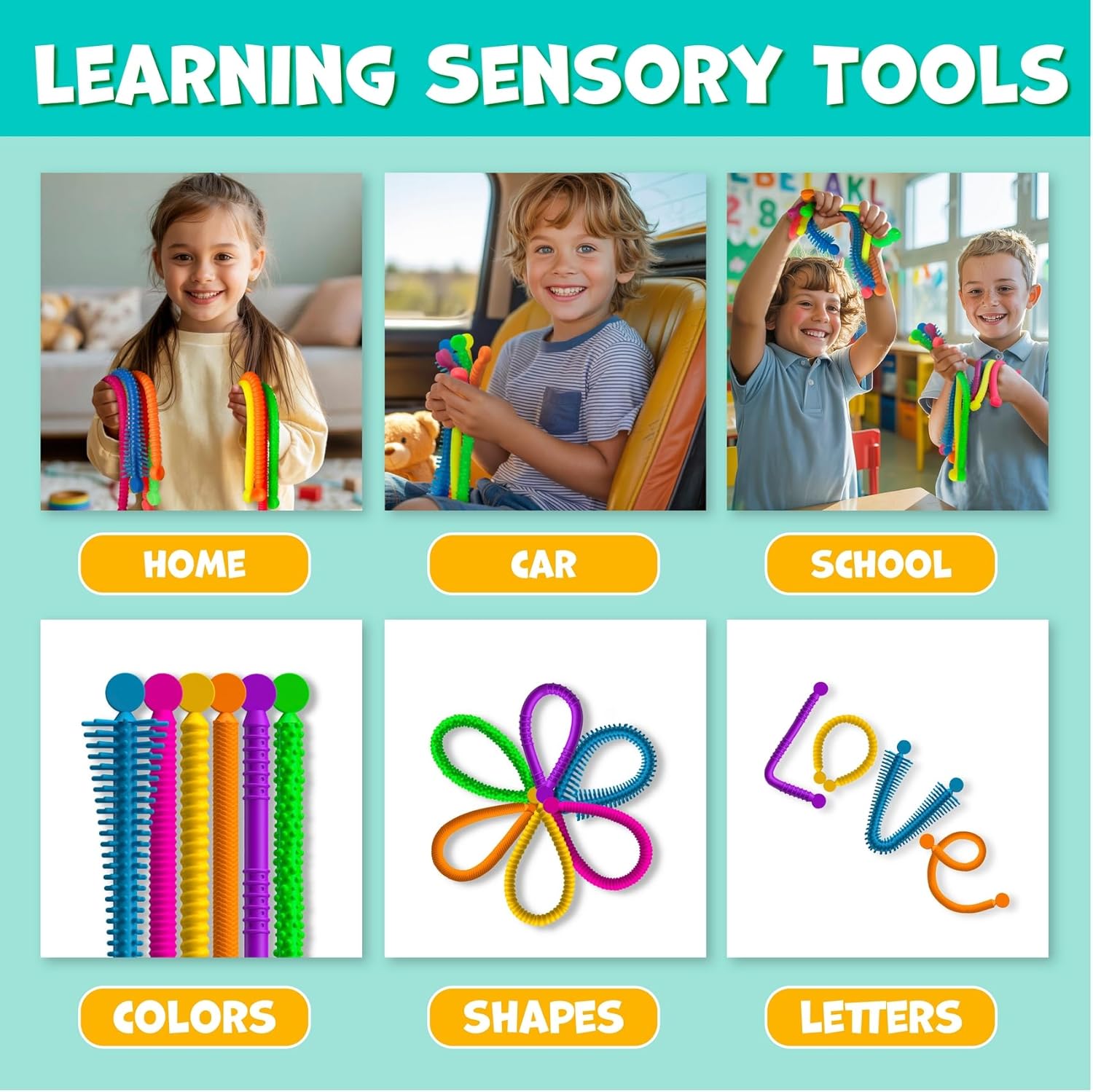
Quiet Fidget Variety Pack (choose “silent” styles)
Amazon’s fidget category is huge, so we recommend choosing packs that emphasize quiet, tactile fidgets (no loud clickers for classrooms unless that’s specifically needed). Look for smooth “twist,” “roll,” or “squeeze” styles.
- Best for: on-the-go regulation, backpack calm kit, classroom-friendly options
- Parent tip: rotate 2–3 favorites weekly to keep them “new”
Sand-Filled Stress Ball / Moldable Stress Ball
These “heavy squeeze” stress balls are a popular choice for kids who like firmer pressure in their hands. They can be calming during homework, reading aloud, or transitions.
- Best for: stronger hand pressure needs, calming routine tools
- Parent tip: check durability and supervise younger kids
Deep Pressure & Cozy Comfort
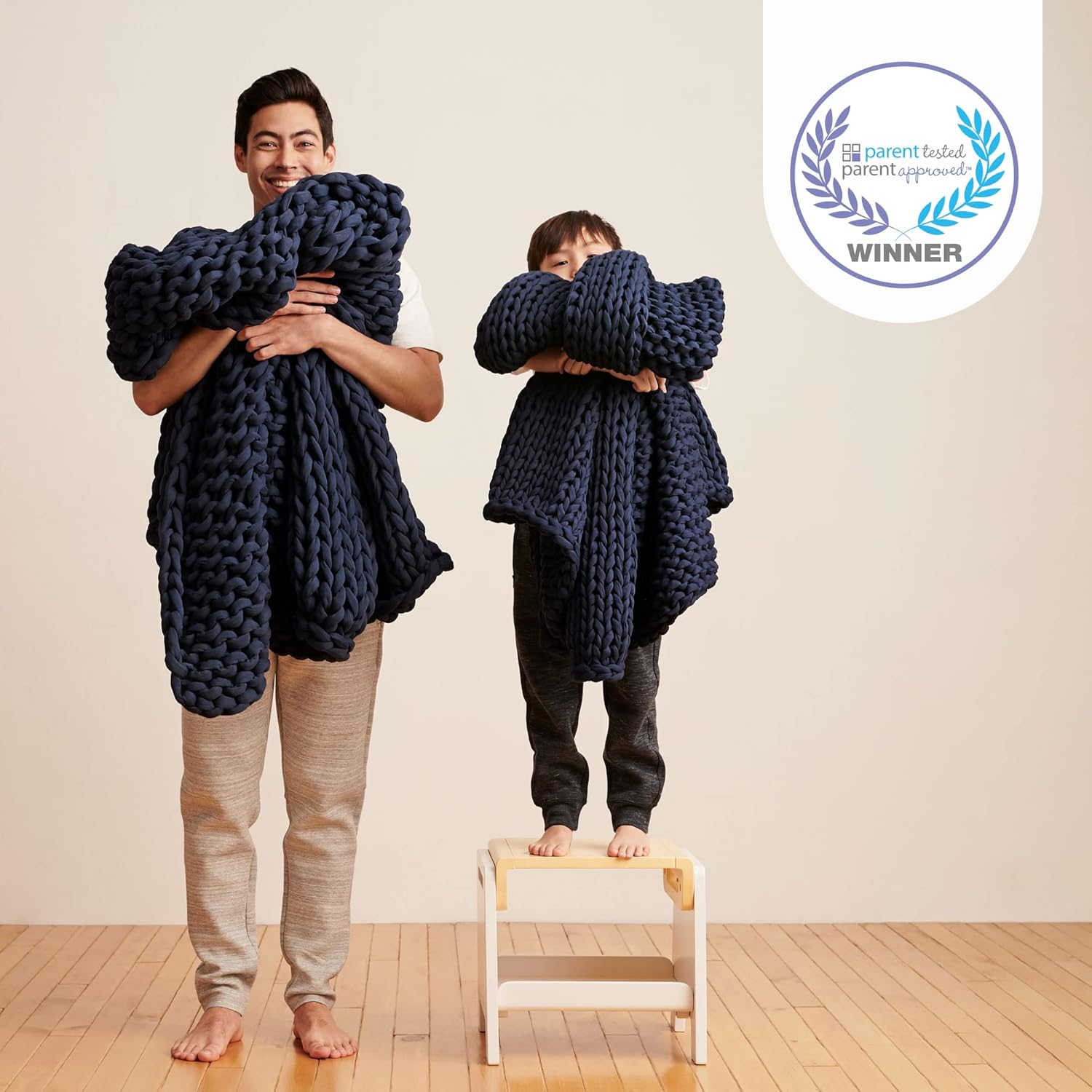
Kid-Sized Weighted Blanket (choose the right weight)
Many families use a kid-sized weighted blanket as part of a cozy downshift routine (especially at bedtime or quiet time). Choose the weight and size carefully and follow manufacturer guidance.
- Best for: bedtime routines, calm corner comfort, quiet reading
- Parent tip: follow age/weight recommendations and supervise use for younger children
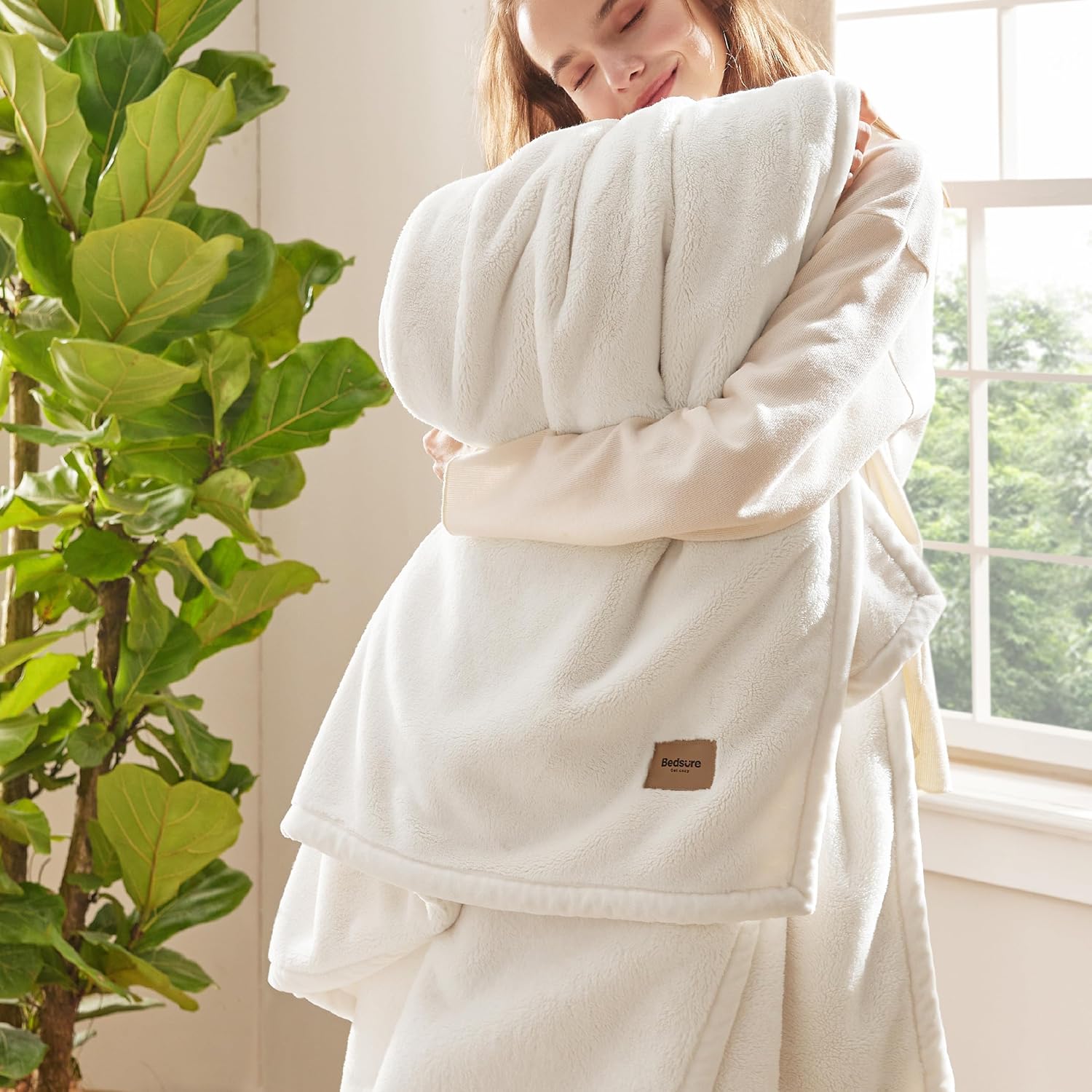
Ultra-Soft Throw Blanket (a “comfort cue” for calm time)
A super-soft throw can become a consistent “comfort cue” — a signal to the nervous system that it’s time to settle. It’s also a low-stress gift that works for many ages.
- Best for: calm corner, reading nook, travel comfort
- Parent tip: keep one dedicated to calm time (not the couch blanket)
Sound & Sensory-Overload Support
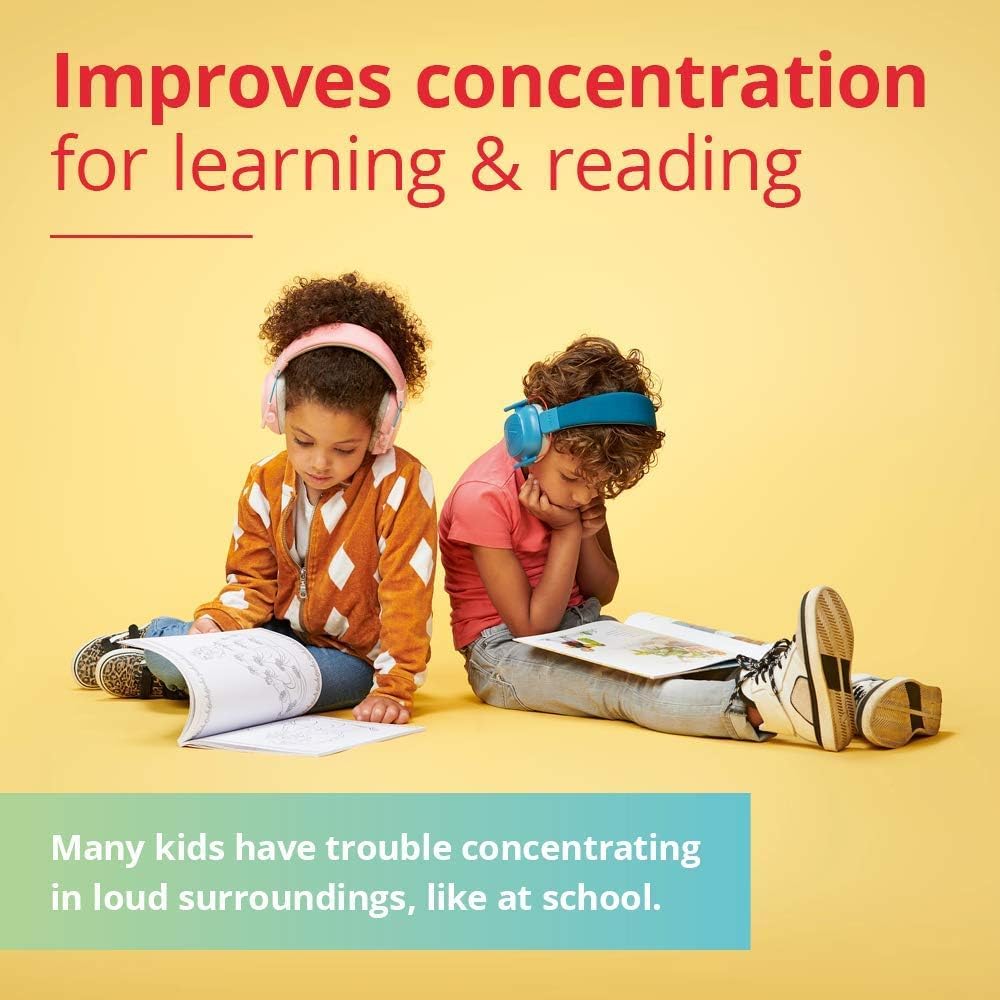
Kids Ear Protection Earmuffs (for loud environments)
For noise sensitivity, many parents use ear protection earmuffs (not necessarily “active noise canceling”). They’re helpful for fireworks, crowded stores, events, vacuuming, and travel.
- Best for: outings, travel, noisy transitions
- Parent tip: practice at home first so kids feel in control
Quiet, Focused Play (Calm + Engaging)
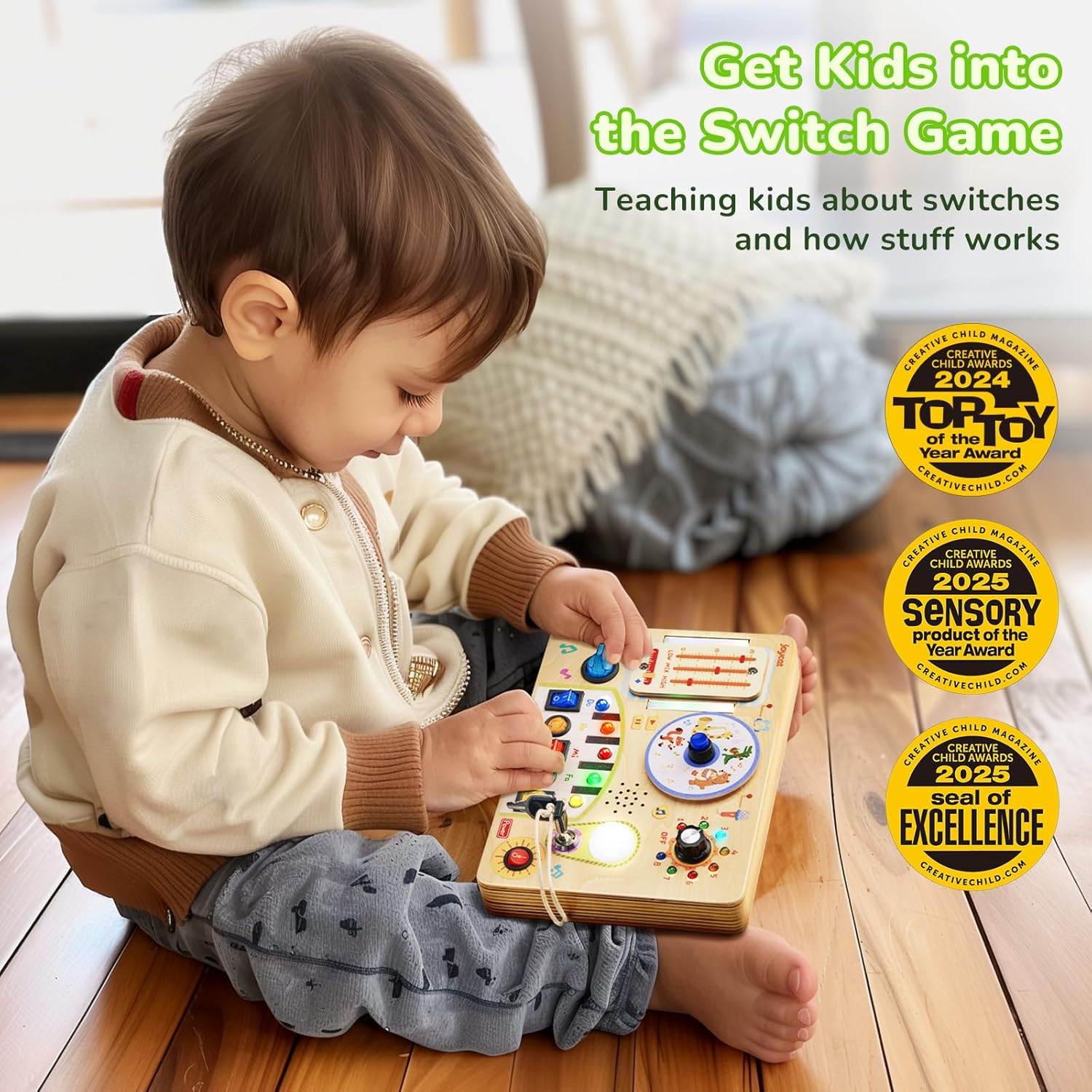
Busy Board (zippers, buckles, snaps — calm focus)
Busy boards are a parent favorite for quiet, hands-on engagement. They’re especially helpful for transitions, waiting, and travel because the activity is structured and tactile.
- Best for: fine-motor practice, calm engagement, travel kit
- Parent tip: choose a board matched to your child’s age and frustration tolerance
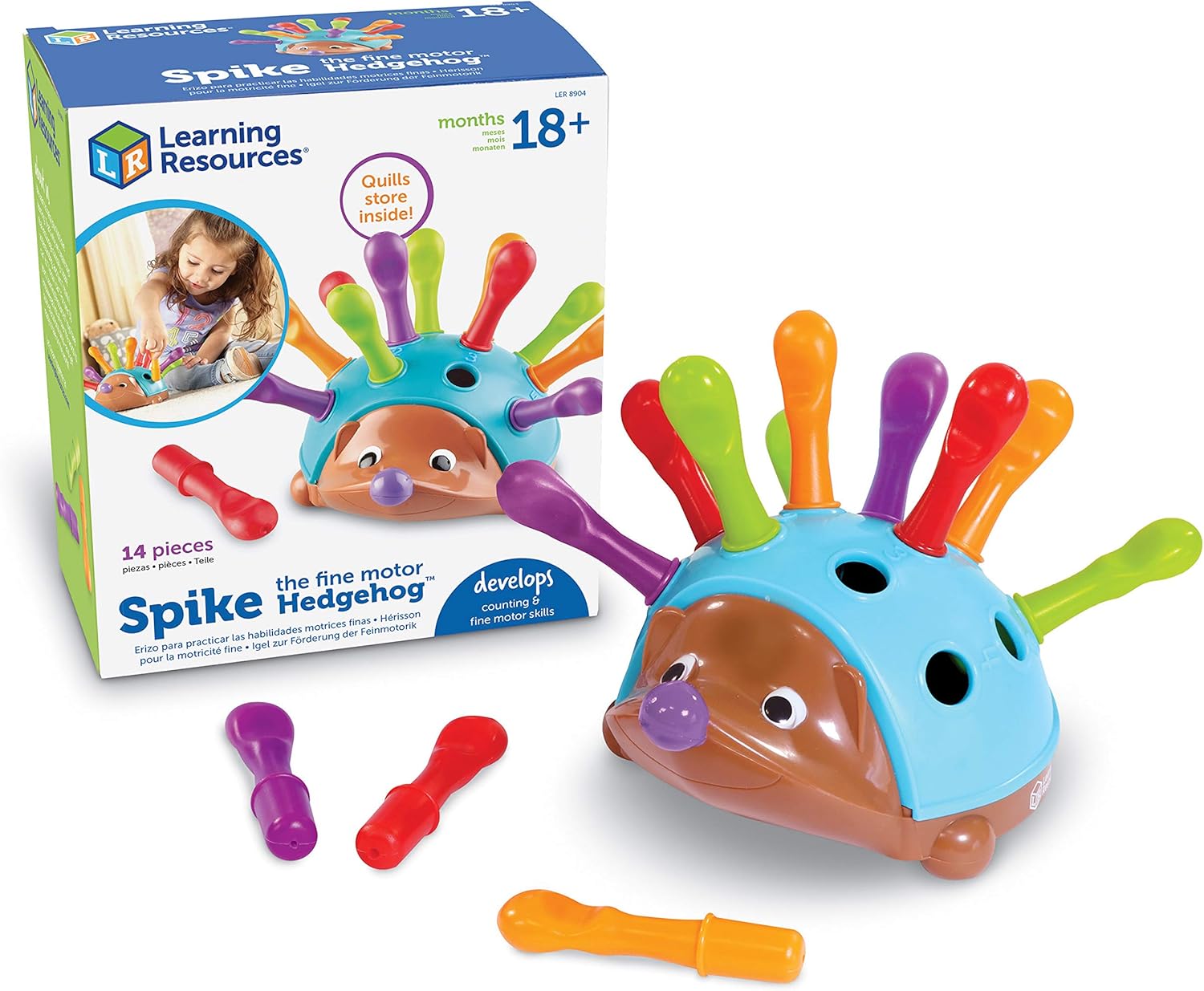
Fine-Motor “Pinch & Place” Toy (hedgehog / sorting / tweezers style)
Fine-motor sets (often featuring sorting, pinch-grip, or tweezer play) are wonderful for calm, purposeful focus. These are often used in classrooms because they’re structured and repeatable.
- Best for: calm concentration, routine building, “quiet hands” activities
- Parent tip: use a small tray so pieces don’t migrate everywhere
How to use these without overwhelm (a simple routine)
- Start with a “menu” of 2–3 tools (too many options can be stressful).
- Pair the tool with a cue: a short phrase like “calm time,” dimmer lights, or a favorite blanket.
- Use a timer (5–10 minutes) so kids know it’s not forever.
- Rotate weekly: keep favorites available, but swap 1–2 items to keep interest high.
- Keep it parent-friendly: these are tools for support, not a “test” kids can fail.
If you’d like, we can also build a one-page “Calm Corner Checklist” you can print — using the items that fit your family best.
Our approach to sharing tools is shaped by lived experience and long-term observation, not trends or prescriptions.
If you’d like to understand why we evaluate learning, sensory, and hands-on tools the way we do, you can read more about our perspective here:
Want the STEM companion guide? Start here.