
STEM Learning Tools: Hands-On Builds for Curiosity, Logic & Problem-Solving
REQUIRED AMAZON DISCLOSURE (keep this near the top)Affiliate disclosure: As an Amazon Associate, It’s a Kidzz World earns from qualifying purchases. Some links on this page may be affiliate links, which means we may earn a small commission at no extra cost to you.
Note: We’re not medical professionals, therapists, or educators. This is parent-friendly, experience-based guidance and independent research. For medical, safety, or learning concerns, check with a qualified professional and follow manufacturer age/safety guidance.
STEM (Science, Technology, Engineering, and Math) tools can be a gentle way to invite curiosity — especially for kids who learn best by building, testing, and seeing how things work. We focus on tools that are multi-use, easy to repeat, and naturally invite “try it again” learning.
When we choose items for this list, we’re not trying to chase trends. We look for tools that communicate their value through the product itself: how it’s used, what it asks the hands to do, and whether it can fit into real life (kitchen table, travel, quiet corner) without turning into clutter or chaos.
Quick Start: A simple STEM starter set (pick 3–5)
Start small and choose a few tools from different “learning lanes.” The goal is variety without overload: something to build, something to solve, something to test, and something to visualize.
- One build set (open-ended construction / engineering pieces)
- One logic set (sequencing / pattern / unplugged coding challenges)
- One science tool (observation kit or experiment set)
- One math manipulative (patterns, fractions, number relationships)
- One “maker” add-on (gears, ramps, simple machines, or circuits — optional)
Build & Engineering
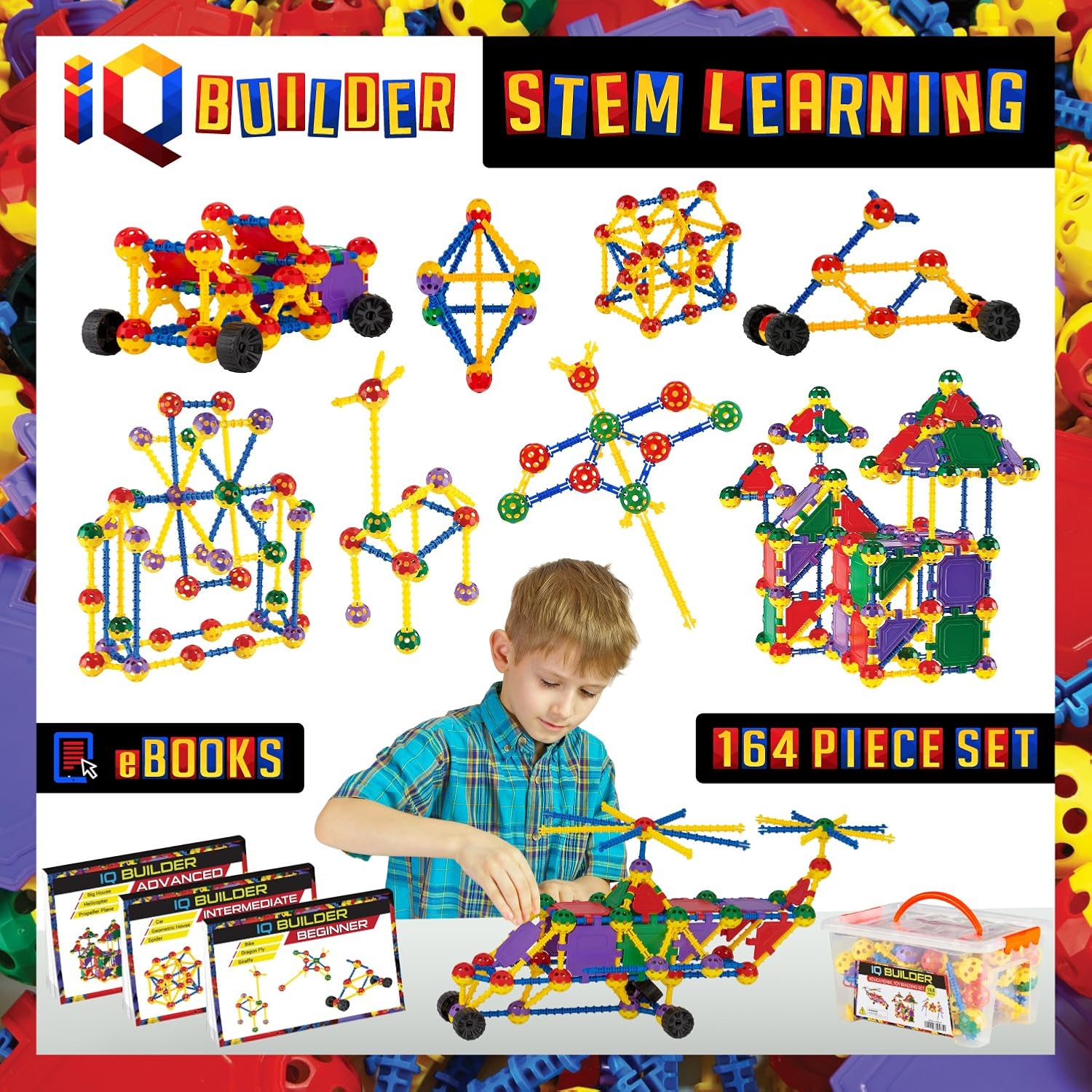
Open-Ended Engineering / Building Set
Construction sets support spatial thinking, planning, balance, and “what happens if I change this?” learning. Open-ended sets are especially helpful because kids can build a plan, abandon it, rebuild it, and still be “right.”
Why this one: When a set can be used a hundred different ways, it stays useful longer. We like build tools that don’t force one path — they invite experimentation, then reward it with visible cause-and-effect.
- Useful for: problem-solving, structure, trial-and-error learning
- Parent tip: keep a shallow bin for pieces so cleanup is predictable
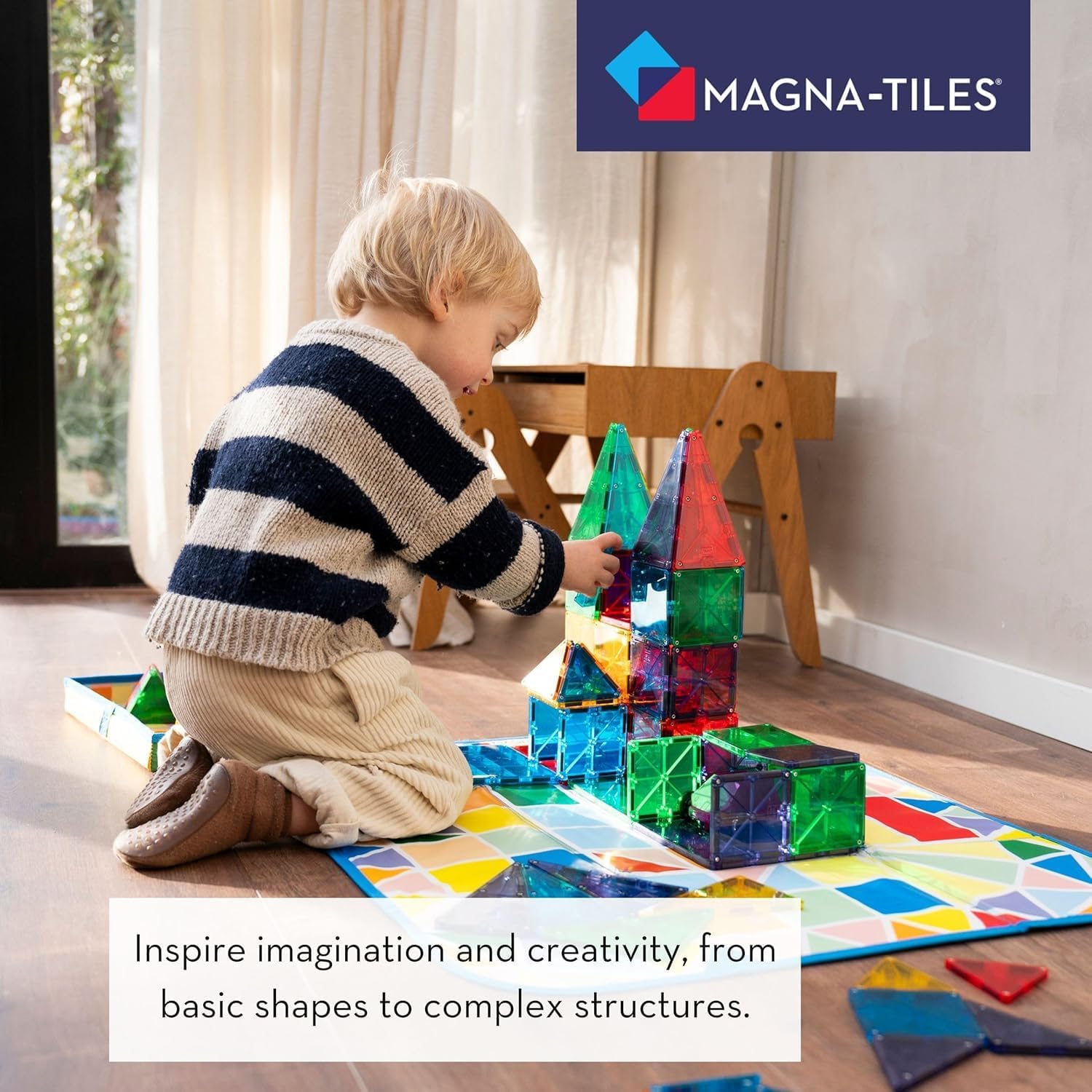
Magnetic Construction Tiles / Geometry Tools
Magnetic construction makes geometry tangible. Kids can explore symmetry, angles, and stability while getting immediate feedback from the build (it stands… or it doesn’t).
Why this one: The “snap” feedback is quick and satisfying, which helps many kids stay engaged without frustration. It’s also one of the easiest ways to make geometric ideas feel real instead of abstract.
- Useful for: spatial reasoning, geometry, creative building
- Parent tip: start with fewer pieces; add more when builds feel smooth
Logic & Sequencing
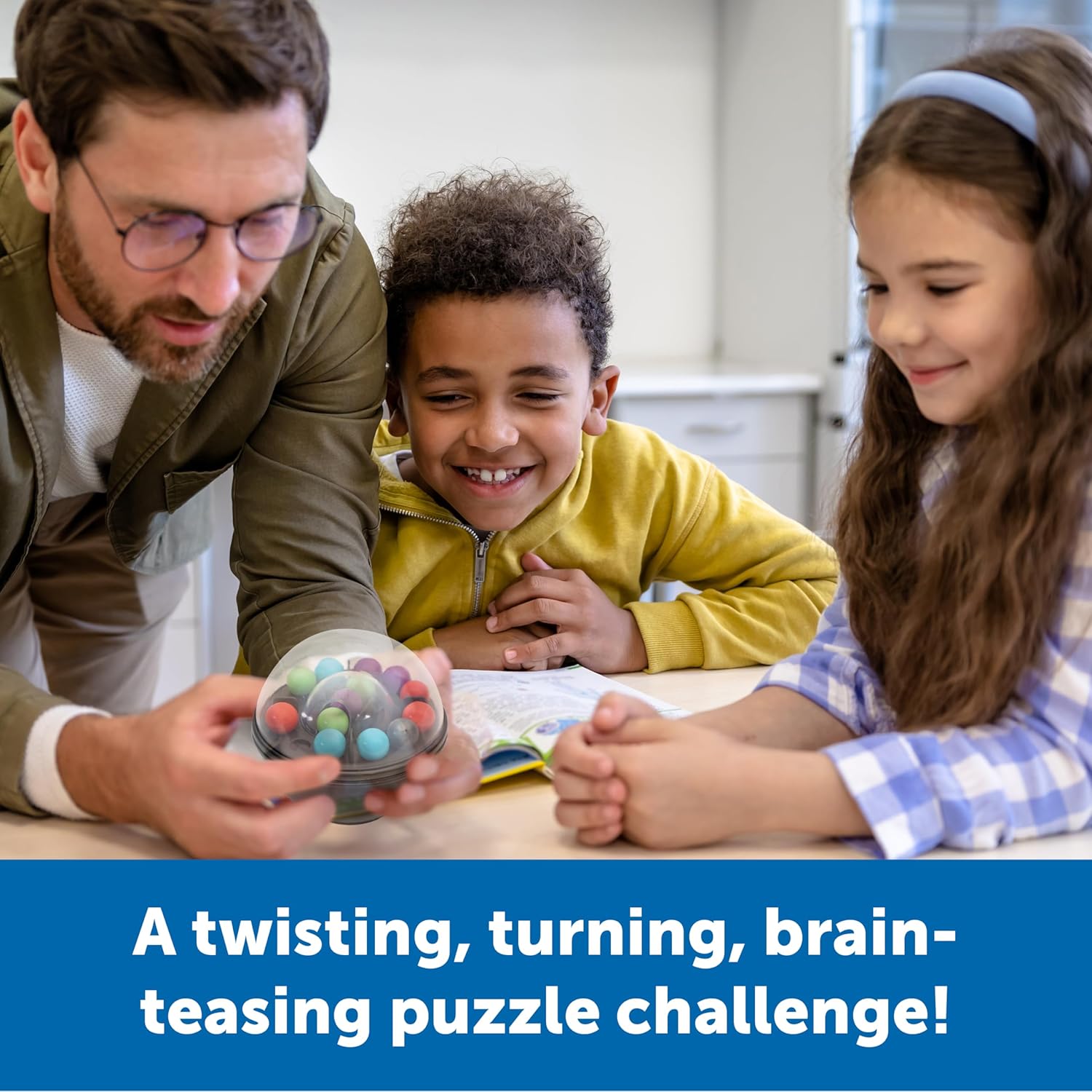
Logic / Sequencing Challenges (Pre-Coding Games)
Sequencing games teach foundational “coding” thinking without screens: plan steps, test, adjust, and try again. The learning is in the iteration — not the speed.
Why this one: We like tools that teach “debugging” as a normal part of thinking. When the game makes it safe to be wrong and easy to try again, kids often stay calmer and more persistent.
- Useful for: step-by-step reasoning, pattern recognition, flexible thinking
- Parent tip: do one challenge together first, then let kids own the next one
Science & Observation
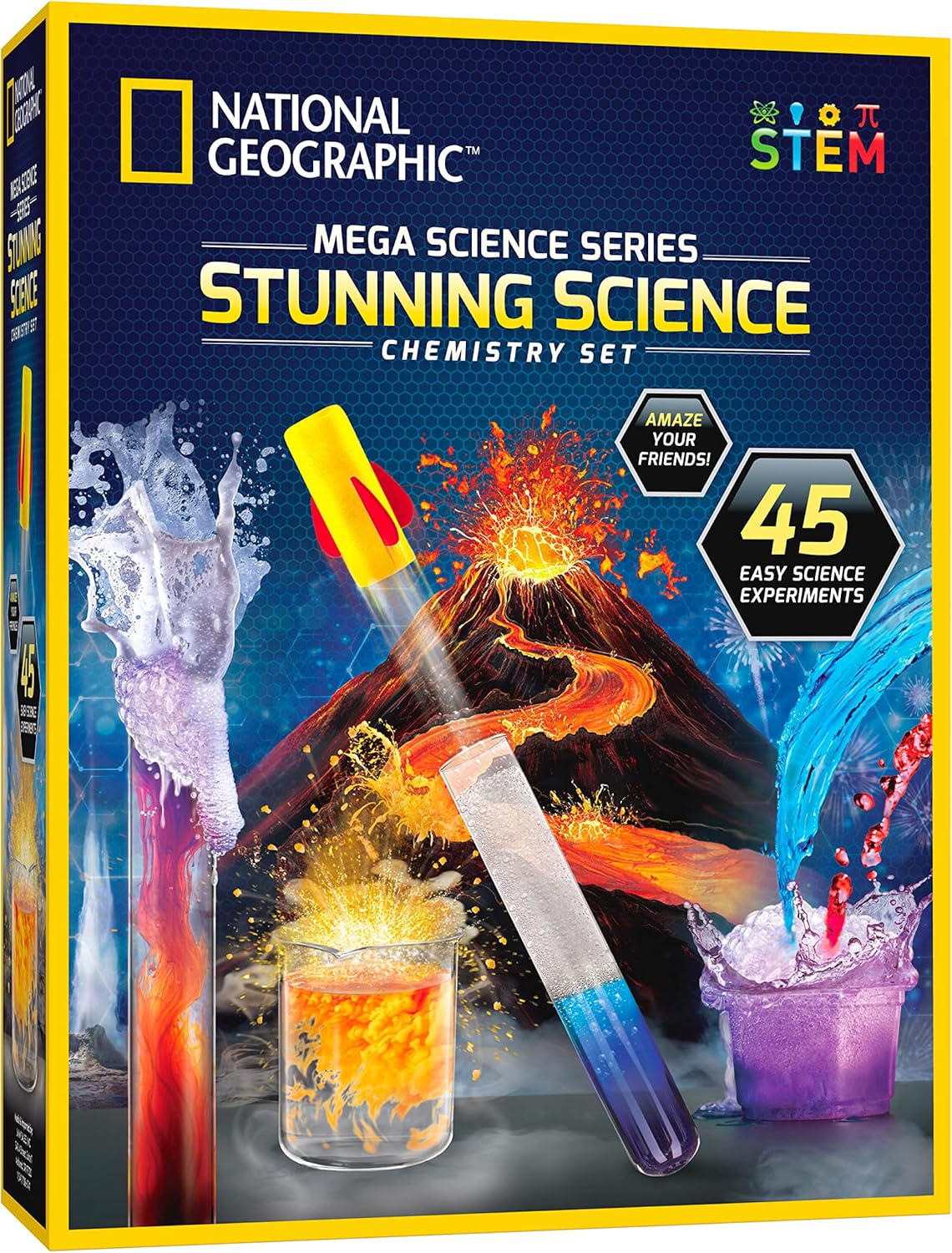
Hands-On Science Observation / Experiment Kit
Science kits can build comfort with measuring, observing, and noticing cause-and-effect. The best kits make it easy to repeat an experiment and talk about what changed.
Why this one: We prefer kits that encourage observation over “wow factor.” When kids can repeat an experiment and compare results, it supports real scientific thinking — without needing it to be flashy.
- Useful for: curiosity, observation skills, early scientific method habits
- Parent tip: keep a notebook nearby for drawings or simple notes (“what changed?”)
Math & Patterns
Math & Pattern Manipulatives
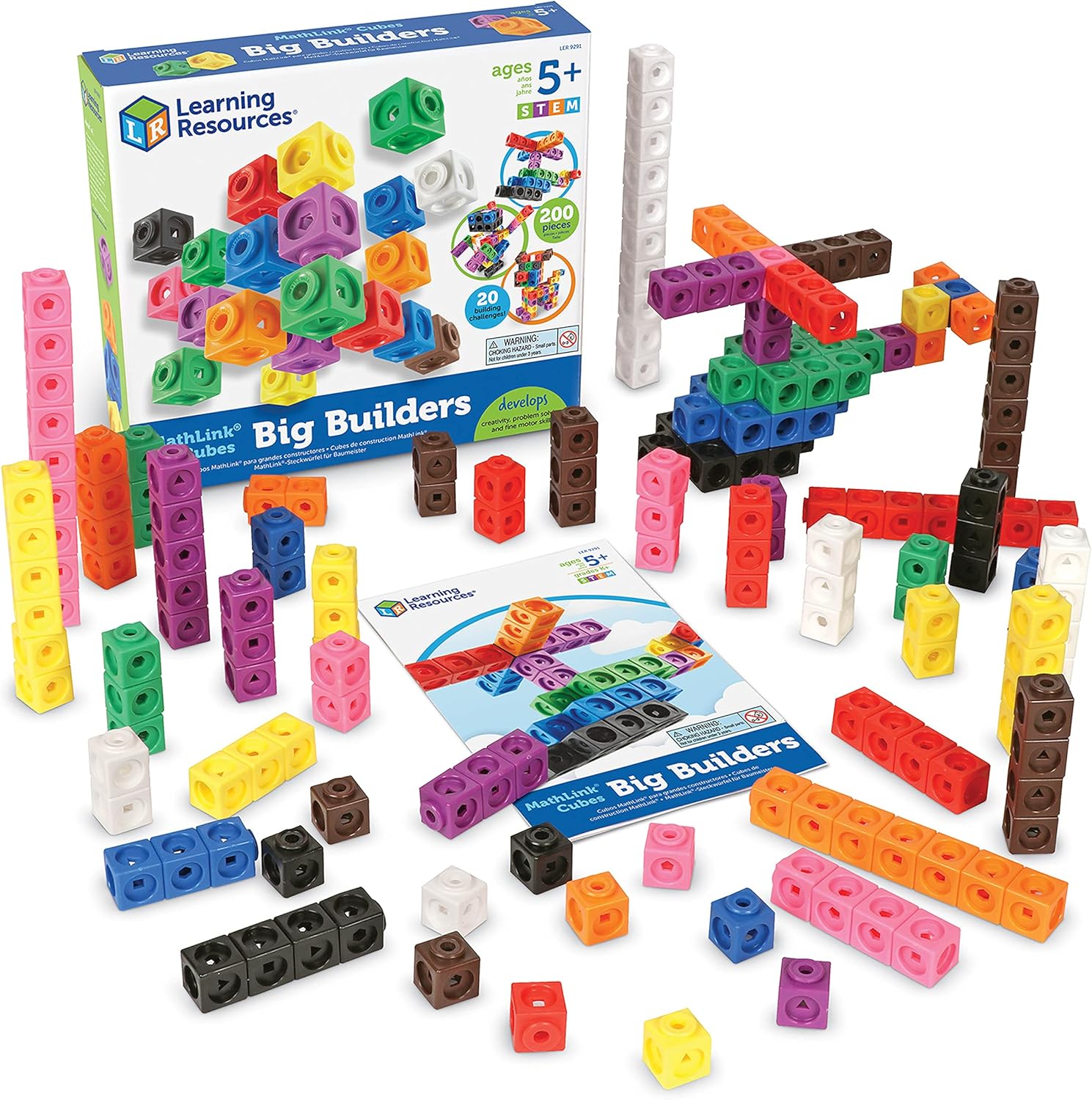
Manipulatives help learners “see” numbers and relationships. Moving pieces by hand can make abstract concepts feel concrete — especially for visual or tactile thinkers.
Why this one: We look for tools that can move from simple to complex without changing products. When the same pieces can teach patterns, fractions, and relationships, the tool grows with the learner.
- Useful for: number sense, fractions, patterns, early algebra thinking
- Parent tip: keep pieces in a divided container so setup doesn’t become the barrier
How to use these without overwhelm (a simple routine)
- Start with a “menu” of 2–3 tools (too many choices can be stressful).
- Keep the setup predictable (bin, tray, or dedicated spot).
- Use a short timer (5–15 minutes) so kids know it’s not forever.
- Rotate slowly: keep favorites available, swap one item at a time.
- Look for the calm signal: the best tool is the one that helps a child return to themselves.
Tip: If STEM time becomes “one more thing,” simplify. One tool, one surface, one short session.
A quick note on why we share tools
Our approach is shaped by lived experience and long-term observation, not trends or prescriptions. If you’d like to understand why we evaluate learning and hands-on tools the way we do, you can read our perspective here:
Want the sensory companion guide? Start here.